
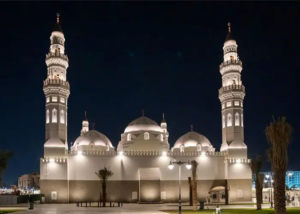
Quba Mosque
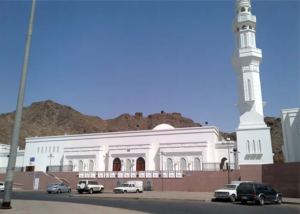
Mosque of the Seven Parties
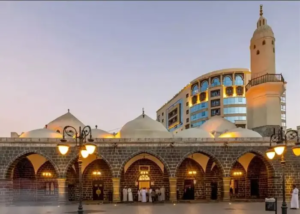
Ghamama Mosque
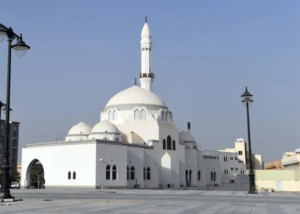
Juma Mosque
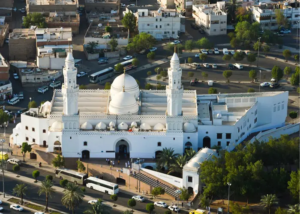
Mosque of the Two Domes
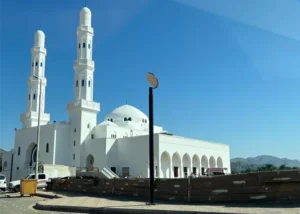
Masjid Al-Areesh Badar
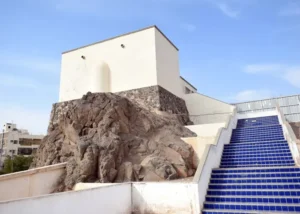
Masjid Al Fatah
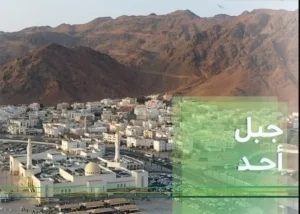
Jabal Uhud
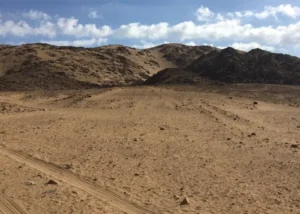
Jabal Al Malaika
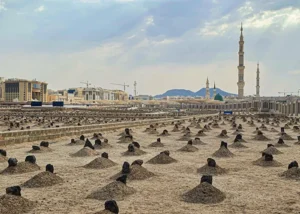
Jannatul Baqi
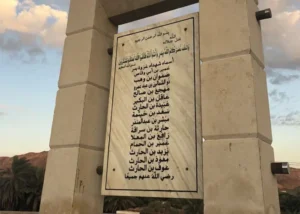
Maqbra Shuhada Badar
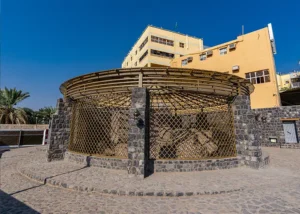
Ghars well
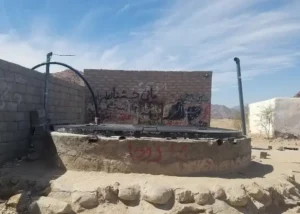
Ber Al Shifa at Bir Arrawha






Quba Mosque is the first mosque established in Islam, built by Prophet Muhammad ﷺ upon his arrival in Madinah during the Hijrah from Makkah. Located south of Madinah, it holds immense historical and religious value. According to a hadith, performing prayer in Quba Mosque is equal to performing Umrah. The mosque features a blend of modern architecture and traditional Islamic design. It is a significant spiritual destination for Muslims around the world who visit to pray and connect with the Prophet’s footsteps. Quba Mosque remains one of Madinah’s most iconic Islamic landmarks.
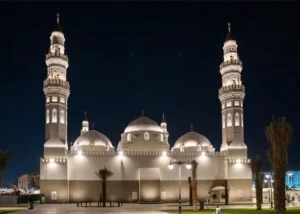
Masjid Quba
Al-Ahzab Mosque, also known as Al-Fath Mosque, is located in the Seerah area north of Madinah. It stands on a site linked to the historic Battle of the Trench, where Prophet Muhammad ﷺ prayed for victory, and his prayer was answered. The mosque is positioned on a hill overlooking the city, giving it spiritual and visual prominence. It serves as a reminder of the perseverance and faith of Muslims during one of Islam’s most critical battles. Al-Ahzab Mosque is a cherished destination for those seeking to connect with Islamic history.
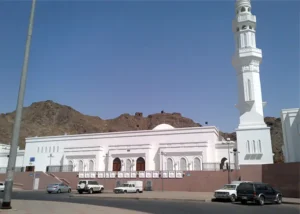
Masjid Ahzab at The Seven Mosques
Al-Ghamama Mosque is located west of the Prophet’s Mosque in Madinah and is one of the city’s most iconic historical mosques. It is believed that Prophet Muhammad ﷺ performed the Eid prayer here, and the name “Ghamama” refers to a cloud that shaded him during the prayer. The mosque features traditional architecture and a serene atmosphere, attracting visitors who seek a connection with the city’s prophetic history. Al-Ghamama Mosque is a spiritual landmark that embodies the legacy and sanctity of Madinah.
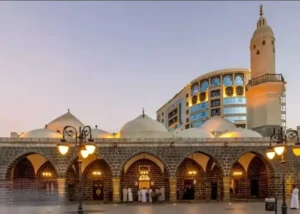
Masjid Ghamama
The Friday Mosque (Masjid Al-Jumu’ah) marks the site where Prophet Muhammad ﷺ led the first Friday prayer after migrating to Madinah. Located south of the Prophet’s Mosque, it is a historically and spiritually significant place. The mosque commemorates the beginning of organized Islamic worship in Madinah. Its modest architecture and proximity to the Hijrah route make it a key stop for visitors retracing the Prophet’s journey. Masjid Al-Jumu’ah stands as a powerful symbol of Islamic history and community.
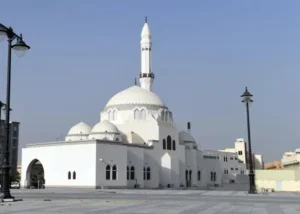
Masjid Jummah
The Mosque of the Two Qiblas (Masjid Al-Qiblatain) is one of the most significant mosques in Madinah. It is where the Qibla was divinely changed from Jerusalem to the Kaaba during prayer. Located in the Banu Salamah district, the mosque features a modern design with Islamic architectural elements. This historical shift marked a pivotal moment in Islamic history. Visitors come to reflect on this turning point and deepen their understanding of Islamic heritage. Masjid Al-Qiblatain remains a symbol of faith and divine direction.
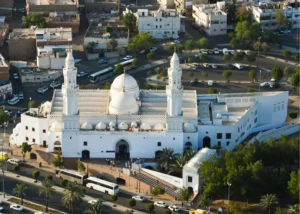
Masjid Qiblatain
Al-Arish Mosque in Badr is built on the site where a shelter (arish) was erected for Prophet Muhammad ﷺ during the Battle of Badr. It served as a command post and a place where the Prophet prayed for victory. This mosque symbolizes trust in Allah and marks the location of Islam’s first decisive military victory. Visitors come here to reflect on the historic events that laid the foundation for the Islamic state. It remains a powerful reminder of courage, faith, and divine support.
Masjid Al-Areesh Badar
Masjid Al-Fatah is the largest and most prominent mosque within the historic Seven Mosques complex. According to Islamic tradition, Prophet Muhammad ﷺ prayed at this location during the Battle of the Trench, asking Allah for victory. The mosque remains one of the most visited historical landmarks in Madinah and is an important stop on many Ziyarat tours.
Masjid Al Fatah
Mount Uhud is one of the most famous historical and natural landmarks in Madinah, located north of the Prophet’s Mosque. It witnessed the Battle of Uhud, where many companions, including Hamza ibn Abdul Muttalib, were martyred. The mountain stands as a symbol of sacrifice and Islamic valor. Pilgrims and visitors reflect on the events of the battle and honor the martyrs who gave their lives for the faith. Mount Uhud inspires lessons in perseverance and devotion.
Jabal Uhud
Mount of the Angels (Jabal Al-Malaika) is located near the site of the Battle of Badr. According to Islamic tradition, this area is associated with the Battle of Badr, where Allah supported the believers with angels. The mountain holds deep spiritual significance and is visited by those reflecting on divine intervention and victory. It stands as a powerful reminder of Allah’s support for the faithful in critical moments of Islamic history. The site continues to inspire awe and reverence.
Jabal Al Malaika
Al-Baqi Cemetery, also known as Jannat Al-Baqi, is the oldest and most revered cemetery in Madinah, located next to the Prophet’s Mosque. It is the burial site of many companions and family members of Prophet Muhammad ﷺ. The cemetery is a sacred place for Muslims, who visit to pray and reflect on the lives of the early believers. Al-Baqi represents a profound spiritual and historical connection to Islam’s foundations and continues to be a site of deep reverence.
Jannatul Baqi
The Cemetery of the Martyrs of Badr is located in Badr and contains the graves of the companions who were martyred in Islam’s first major battle. This cemetery symbolizes bravery and sacrifice in the path of Allah. Visitors come to honor these heroes and reflect on the pivotal role they played in shaping Islamic victory. It is one of the most significant historical sites in Badr, representing the early strength and resolve of the Muslim community.
Maqbra Shuhada Badar
Gharas Well is a historic well in Madinah, known for its association with Prophet Muhammad ﷺ. It is reported that the Prophet drank from it and It is reported that Prophet Muhammad ﷺ drank from this well, and authentic narrations mention its connection to his final wishes regarding the water used after his passing. with its water after his death. Located in the eastern part of the city, the well remains a physical reminder of the Prophet’s life and simplicity. It is a popular site among visitors seeking to connect with the daily life of the Prophet and the legacy he left behind.
Ghars well
Shifa Well, also known as Al-Rawha Well, is a historic site where Prophet Muhammad ﷺ is believed to have stopped and drank during one of his expeditions. Located along the Hijrah route, the well is considered blessed and is visited by Muslims who seek spiritual connection and historical reflection. The site offers a glimpse into the Prophet’s journeys and his simple, yet profound life. It serves as a living link to the legacy of his mission.